User-centric approach to applications
User-centric approach to applications
Challenges of loose coupling


Challenges of loose coupling
- Third partiesApplications are not part of your social graph, they are just tools used by you and your peers.
- DiscoveryApplications need to be able to find relevant data which user authorized them to access. No additional protected information should be disclosed.
- Distributed dataUsers access their data and data their peers which was shared with them. Every peer can host data on multiple servers. User's need to be able to define policies for their applications and apply it everywhere.
- Terms of useWhen user authorizes access, they may want to set specific conditions on how application provider may and may not use that data.
- UXUsers need to be able to make authorization with confidence, especially when authorizing access to data of other peers in their social graph.


Efforts to address those challenges
Efforts to address those challenges





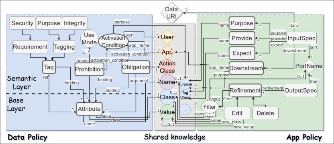
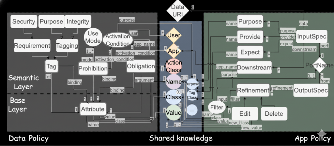



Agenda
Agenda
- slides
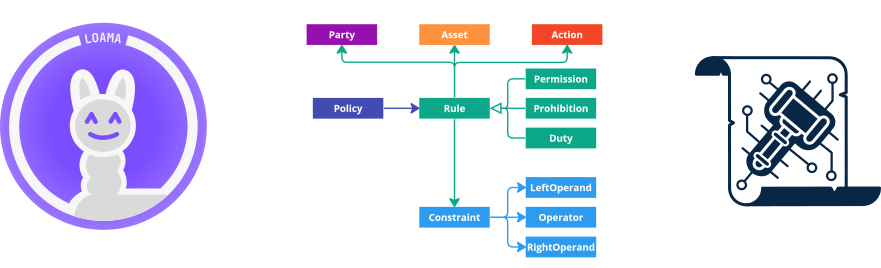
- Open Digital Rights Language (ODRL)
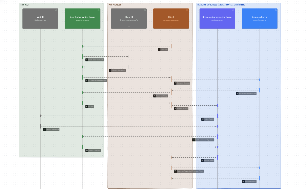
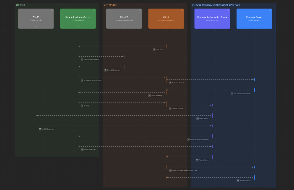
- FORCE: A Framework for ODRL Rule Compliance through Evaluation
- LOAMA: Low-code ODRL Access Management Application
- Presentation slides
- Pre-recorded video (using an older version of the slides)
- Demos
- Explanation site
- With links to relevant repos and resources
- Also contains language spec
- Paper published at WWW 2024 (open access): Perennial Semantic Data Terms of Use
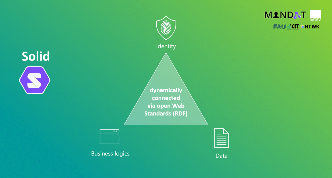
The MANDAT project (FAU, KIT, DATEV), first presented at Solid World 2025, focuses on developing methods for the secure exchange of business data within decentralized, trust-based ecosystems. By leveraging the Solid protocol, the project aims to create a technical framework where companies can share information while maintaining full control over their business data. In this talk, Christoph will dive into what is enabled by the project's results in terms of access management and rights delegation and, most importantly, how this relates to the concept of authorizing Solid applications.
Another perspective for describing policies and reasoning about authorization decisions


Related sessions at Solid Symposium 2026
Related sessions at Solid Symposium 2026